

Material Selection
Wear Plate vs Manganese Steel: Differences and When to Use Each
We compare martensitic wear-resistant steel (BRINAR®) with Hadfield manganese steel to help you choose the right material.
Two philosophies of wear resistance
Martensitic wear-resistant steel (like BRINAR®) and austenitic manganese steel (Hadfield steel, ~12% Mn) are the two main solutions for combating wear in mining and heavy industry. But they work in fundamentally different ways.
How does each work?
| Property | BRINAR® (martensitic) | Manganese steel (Hadfield) |
|---|---|---|
| Mechanism | High initial hardness (370–540 HB) | Work hardening: starts soft (~200 HB) and hardens in service up to ~550 HB |
| Structure | Tempered martensite | Austenite |
| Toughness | Moderate (30–60 J at −20°C) | Very high (cast parts absorb extreme impacts) |
| Weldability | Good (with preheating) | Difficult (requires special Mn electrodes, strict temperature control) |
| Format | Rolled plate, cuttable and formable | Generally cast to final shape |
| Cost | Lower cost per m² installed | Higher cost per cast piece |
When to use wear-resistant steel (BRINAR®)?
- Sliding abrasive wear (conveyors, hoppers, chutes, dump truck bodies)
- Flat components that can be cut and welded from rolled plate
- When weight control is required (thinner than structural steel)
- Replaceable liners welded in the field
When to use manganese steel?
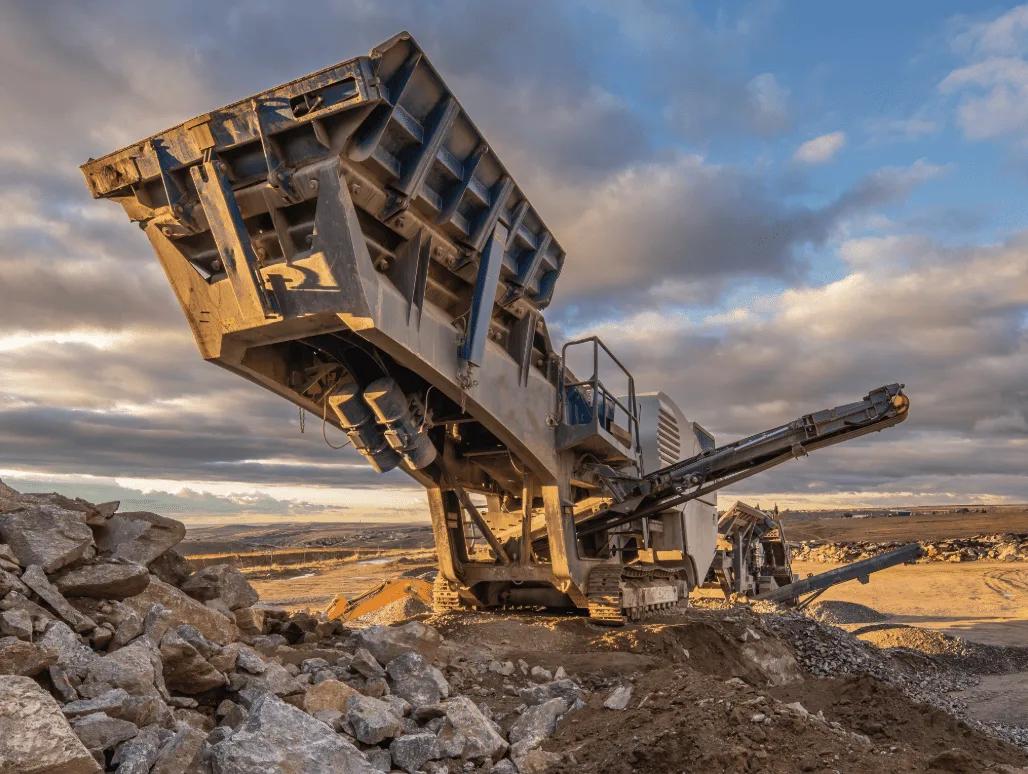
- Extreme and repetitive impacts (crusher jaws, cones, hammers)
- Complex-shaped parts best produced by casting
- When the part needs to "harden" during use
Can they be combined?
Yes. In many equipment types, manganese steel is used in maximum impact zones (e.g. crusher jaws) and BRINAR® as liner in sliding zones (e.g. sides and skirts). This combination optimises cost and service life.
Need wear-resistant steel for your project?
Quote BRINAR® 400, 450 or 500 with delivery from our warehouse in Monterrey.